

Best Fabric for Baby Bibs: Top China Manufacturers Uncovered
As a parent, I know how important it is to keep little ones clean and comfortable. That’s why I’ve sought out the **best fabric for baby bibs**—soft yet durable materials that can withstand countless spills and messes. Our products are made with high-quality fabrics sourced from reliable manufacturers in **China**, ensuring they're gentle on sensitive skin while providing excellent absorbency. When I'm choosing bib fabric, I also consider safety and sustainability. That's why our selection meets all safety standards, so you can trust that they are safe for your baby. I believe that a bib shouldn’t just be functional; it should be stylish too! Our variety of colors and patterns makes them perfect for any child’s outfit. So whether you’re a retailer or a manufacturer looking for premium baby bibs, I’m confident you’ll find exactly what you need in our collection. Let's take the mess out of mealtime together!

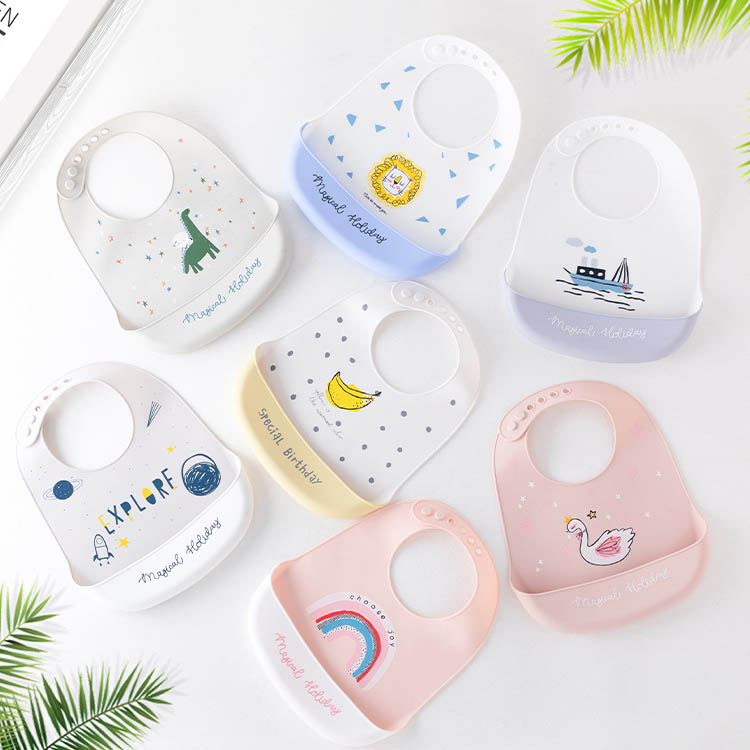
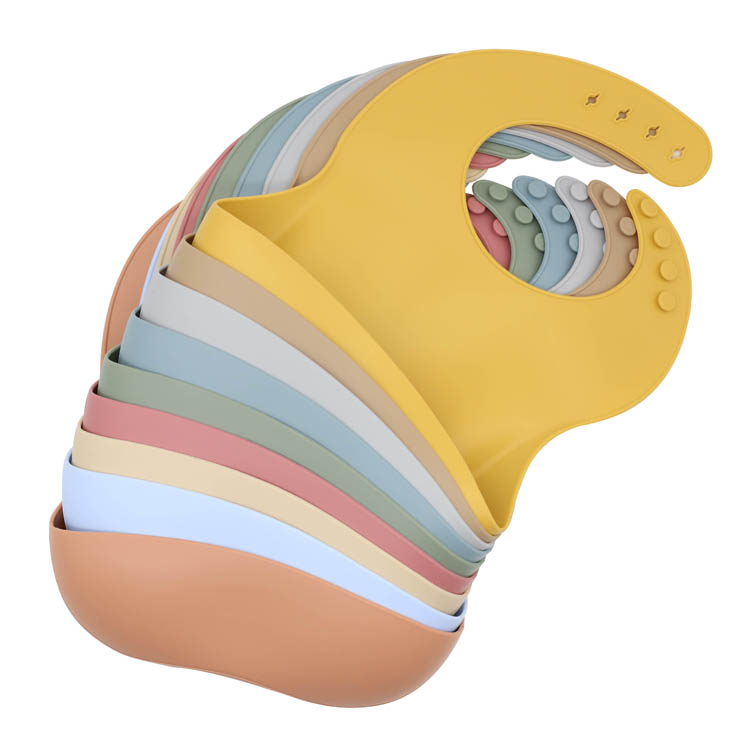


Best Fabric For Baby Bibs Market Leader From Concept to Delivery
When it comes to selecting the best fabric for baby bibs, understanding the unique needs of both the market and consumers is essential. The ideal fabric must not only be safe for babies but also practical for parents. Organic cotton, for instance, is a popular choice due to its softness, hypoallergenic properties, and ease of washing. Additionally, waterproof options like polyester or PUL can be great for keeping clothing dry during mealtimes. The production process plays a significant role in delivering high-quality baby bibs. From sourcing raw materials to the final touches, each step needs meticulous attention. Transparency in the supply chain can build trust among global buyers who are increasingly concerned about sustainability and ethical practices. Effective collaboration with suppliers ensures that only the best materials are used, adhering to strict safety standards and regulations. In today’s competitive market, staying ahead means leveraging innovative designs and features that cater to both functionality and style. Integrating user feedback into product development can also significantly enhance customer satisfaction. As suppliers look for partners who understand the nuances of this market, a focus on quality, compliance, and end-user needs will lead to successful outcomes from concept to delivery.
Best Fabric For Baby Bibs Market Leader From Concept to Delivery
| Fabric Type | Material Properties | Recommended Use | Care Instructions | Sustainability |
|---|---|---|---|---|
| Cotton | Soft, breathable, hypoallergenic | Everyday use, machine washable, soft against skin | Cold wash, tumble dry low | Biodegradable, renewable resource |
| Polyester | Durable, quick-drying, stain-resistant | Outdoor activities, travel bibs | Machine wash, do not bleach | Recyclable, but petroleum-based |
| Bamboo | Naturally antibacterial, soft, moisture-wicking | Sensitive skin, teething bibs | Cold wash, air dry recommended | Sustainable, fast-growing resource |
| Microfiber | Soft, absorbent, lightweight | Drooling bibs, high absorbency needs | Machine wash, do not iron | Can be made from recycled materials |
| French Terry | Soft, stretchy, cozy | Warmth during cooler weather | Machine wash, tumble dry low | Often made from organic cotton |
Related Products
Silicone Baby Food Feeder & Ice Tray Set – Bear-Shaped BPA-Free Teething Feeder with Freezer Mold – Safe Baby Fruit Pacifier for 6-12 Months | YSC
Read More


Best Fabric For Baby Bibs Service Supplies the World\u2019s Top Brands
Top Selling Products


- Related Blog
- Reviews
